

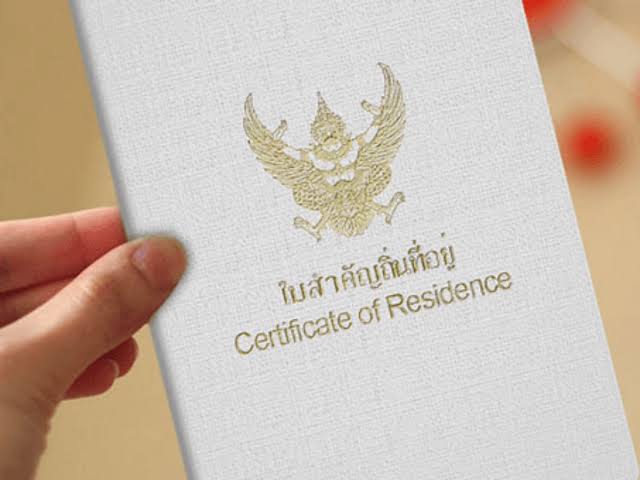
For expats and long-term visitors in Thailand, the Certificate of Residence (CoR) is a small document with massive importance. Without it, you cannot apply for a Thai driving license, open a bank account, or complete many essential government transactions. Yet, the application process at Immigration is notoriously strict, especially in Bangkok.
This complete guide is designed to save you time and prevent the frustration of multiple trips to Chaeng Watthana. Based on the real-world experience of students and expats, GEOS Language School Bangkok break down the entire process into clear, actionable steps and reveal the insider tips that will ensure your application is accepted on the first try.
What Exactly is a Certificate of Residence?
At its core, this document is official proof from the Thai Immigration Bureau confirming your current registered address in the Kingdom. It’s more than just a piece of paper; it’s a key that unlocks several essential services:
- Applying for a Thai Driving License: The Department of Land Transport (DLT) requires this document to prove you are a resident of the province where you are applying.
- Opening a Bank Account: While some banks are more flexible, the majority of Thai financial institutions demand a Certificate of Residence for non-resident account applications.
- Work Permit and Vehicle Registration: It’s also frequently a requirement for work permit applications and for registering a vehicle or motorcycle in your name.
The certificate is valid for only 30 days from the date of issue, so precise timing is crucial. The fee at Chaeng Watthana Immigration is 200 THB, and while the application itself takes about 10 minutes, the certificate is ready for collection after 7 working days (though Immigration allows up to 15, so always build in a buffer).
The Critical Document Checklist
Before you even think about heading to the Immigration office, you must assemble a complete and flawless set of documents. Based on daily experience helping students, here is the exact checklist for Bangkok’s Chaeng Watthana Immigration:
- Your Passport: The original, plus a copy of the photo page.
- Visa Stamp: A copy of the page showing your most recent visa and entry stamp.
- TM30 Receipt: This is mandatory. It is the receipt from your landlord or hotel confirming they have reported your address.
- 90-Day Report Receipt: A strict requirement for Chaeng Watthana. You must have completed at least one 90-day report.
- Application Form: This is available at Immigration. Fill it out completely.
- Payment: 200 THB in cash.
The Golden Rules:
- Blue Ink Only: This is non-negotiable. All signatures on your application must be in blue ink. Black ink will result in an immediate rejection.
- Perfectly Matching Addresses: Your TM30 receipt, the address on your application form, and any backup proof of address (like a rental contract) must all show the exact same address. Even a small discrepancy will get your application rejected.
The Step-by-Step Application Process at Chaeng Watthana
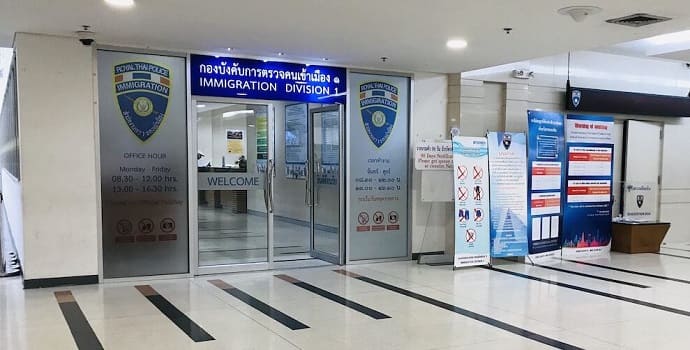
Knowing where to go is half the battle. Chaeng Watthana Immigration numbers its floors differently. The basement level (where the food court is) is the 1st floor. The main visa extension section (Division 1) is the 2nd floor. The certificate of residence office is on the 3rd floor, one floor above Division 1.
Your Day-Of Process:
- Get Your Queue Ticket: Upon arriving at the 3rd floor, head straight to the queue machine to get your number. Do not assume you can just walk up to the counter.
- Submit Your Application: When your number is called, present your complete document packet to the officer. If everything is in order, you will be given a receipt.
- Pay the Fee: Pay the 200 THB fee in cash at the designated window. Keep the receipt they give you—you will need it to collect your certificate.
- Collection: Mark your calendar. You will need to return in 7 days (or whenever advised) with your receipt to collect the finished certificate.
Solving the Most Common “Showstoppers”
Many applicants are turned away for issues they could have solved beforehand. Here’s how to avoid the most common pitfalls:
- The Tourist Visa Problem: At Chaeng Watthana, a Certificate of Residence is not issued to tourist visa holders. You must be on a non-immigrant visa (like an ED, B, or O visa). If you are a tourist, your alternative is to get a “Proof of Address” letter from your home country’s embassy, which many banks and some institutions will accept.
- The Missing TM30: If your landlord hasn’t filed it, you cannot get the certificate. If your landlord refuses, you can file the TM30 yourself at Immigration, though this may complicate your relationship with your landlord.
- The Incomplete TM30 Filing: Your landlord must attach the property deed when filing the TM30. If this is missing, your application will be rejected. If your landlord is a friend or family member, ensure they are aware of this strict requirement.

The GEOS Advantage: Why Preparation is Everything
This process is unforgiving of even small errors. At GEOS Thailand, we’ve helped over 300 ED visa students secure their residence certificates by ensuring all documents are checked for accuracy before they step foot in the Immigration office. We review for the blue ink, confirm TM30 details, and advise on the ideal timing relative to your 90-day report. This preparation is the reason our students maintain a 100% success rate.
A Certificate of Residence is your key to hassle-free daily life in Thailand. By following this complete guide and meticulously preparing your documents, you can navigate this essential process with confidence and avoid wasting time and money on rejected applications. Contact us for more info and learn to speak the Thai language at the same time