
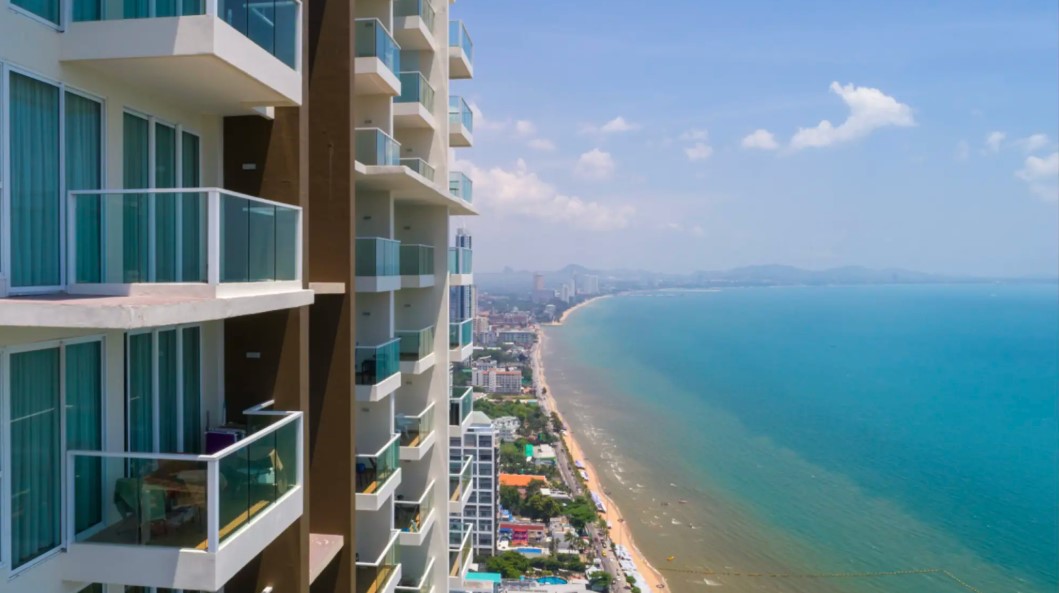
Next time you call in your estate agents and ask for a rental for a month don’t be surprised when you don’t get much help apart from being directed to the Local Hotel!
Pattaya is a city of dreams. The vibrant nightlife, the endless coastline, and the expat community make it a top destination. However, when it comes to finding a place to live, many newcomers make a critical financial and legal mistake: they look for a monthly rental or a “serviced apartment” for a few weeks.
If you have been scrolling through Facebook groups or dodgy websites looking for a 3-month condo deal, stop. Here is the hard truth about short term rentals in Thailand, why almost every Condo Jurisdiction in Pattaya hates them, and why you are wasting your time and money.
It Isn’t Just Frowned Upon; It Is Against the Law
Let’s clear the air immediately. Many tourists think renting a luxury condo for two weeks on Airbnb is a clever hack to save money compared to a hotel. In Thailand, specifically under the Hotel Act B.E. 2547 (2004), any property rented for less than 30 days is legally defined as a hotel. Unless the building holds a specific hotel license (which 99% of residential condos do not), operating a rental for less than 30 days is illegal.
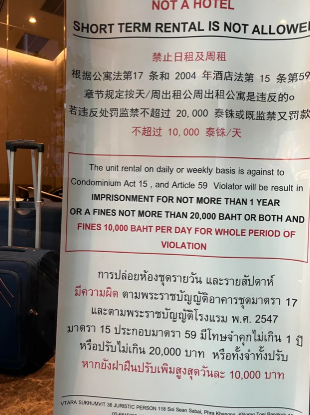
Most condos in Pattaya are zoned for residential use, not commercial hospitality. When you book that sleek Jomtien pad for a long weekend, you are participating in an illegal transaction. If caught, the guest can be evicted on the spot by police or juristic person management, and the owner faces crippling fines of up to 20,000 Baht per day plus potential jail time.
Why Condo Jurisdictions (Committees) Hate Short Term Rentals
If you ask any Juristic Person manager in a quality Pattaya building—say, in View Talay or The Base—what their biggest headache is, they will say short term renters.
Why the hatred? It isn’t personal; it’s about safety and lifestyle.
1. Security Risks
Hotels have metal detectors, key cards that expire daily, and 24/7 front desks. Condos have families. When owners illegally rent to strangers for 3 nights, the building loses control of who enters the pool, the gym, and the parking garage. Short term renters don’t fill out TM30 forms correctly. They don’t attend safety briefings. They are a ghost population, and in the eyes of the law and the security team, that is dangerous.
2. Wear and Tear
A long term tenant treats a condo like a home. A short term renter treats it like a party hostel. Lifts break faster, pool filters clog, and garbage rooms overflow. The permanent owners (who pay common fees of 40–60 Baht per square meter) get tired of paying for damage caused by illegal tourists.
3. “Party Hostel” Syndrome
Nothing ruins a retirement view like a group of tourists playing loud music in the hallway at 2 AM because they are leaving in the morning. Long term residents value peace and quiet. Short term rentals turn residential buildings into revolving doors, which is why most reputable juristic offices now issue fines and cut power to units caught doing “Daily Rentals.”

The “Better Deal” Myth
Here is the marketing lie: “Rent month-to-month; it’s flexible!” Let’s look at the math.
In Pattaya, a decent seaview condo might rent for 20,000 Baht per month on a 12-month contract. However, that same unit, when marketed illegally for short term stays, rents for 1,500 Baht per night. Do the math: 1,500 x 30 nights = 45,000 Baht.
Owners aren’t stupid. To cover the risk of fines and vacancy, they triple the price. You are paying 45,000 Baht for a condo that should cost you 18,000 Baht on a yearly contract. You are not saving money; you are paying a massive tourist tax for a room that lacks daily housekeeping.
The Golden Rule: One Year, No Less
If you plan to stay in Thailand for less than a year, you belong in a Hotel or an Airbnb licensed as a homestay.
If you are moving here for work, retirement, or a long holiday, you must think in terms of 12 months. A “short term” lease in Thailand is 6 months (rare, usually more expensive). A “long term” lease is 12 months. That is the standard. Anything less than a year is a headache for the landlord (who has to report to immigration) and a headache for you (who pays 200% more).
Why You Need a Local Estate Agent
We understand the instinct to DIY. You land at U-Tapao, rent a motorbike, and drive around Pattaya in 38-degree heat, sweating through your shirt, getting lost in Sois, only to find the “For Rent” sign is gone or the agent inside won’t drop the price.
Stop sweating. Literally.
A licensed Estate Agent in Pattaya has access to the Central Listing Database. We don’t show you three condos; we show you thirty. We know which Juristic Persons are strict and which allow pets. We know which buildings have dodgy construction and which have the fastest internet.

Here is the secret most tourists never learn: In Thailand, the Landlord pays the agent fee. Not you. Zero cost to the tenant. By using an agent, you get:
- Legal contracts (in English and Thai, properly translated).
- Immigration support (TM30 reports done for you).
- Negotiation power (we know the owner’s bottom line).
Negotiating Your Long Term Deal
When you commit to 12 months, you have leverage. Estate Agents can negotiate:
- One month free (standard for a 12-month upfront payment).
- Free installation of fiber optic Wi-Fi.
- Fresh paint or new furniture before move-in.
- Removal of the “Key Money” (the illegal fee some agents charge tourists).
You will never get these perks on a weekly illegal rental. Landlords love long term tenants because they have stable cash flow and don’t have to risk prison time. Therefore, they are willing to drop the price significantly.
The Bottom Line
Don’t be the tourist evicted at 10 PM because the Juristic Person caught your illegal check-in.
- Need a holiday? Book a hotel on Beach Road or a licensed villa.
- Moving to Pattaya? Sign a 12-month lease.
- Want the best deal? Hire a local agent (it’s free for you).
Visit Pattaya-real-estate.com today. We have the listings. We know the law. We negotiate the rent. Let us do the driving. You just bring your swimsuit.