
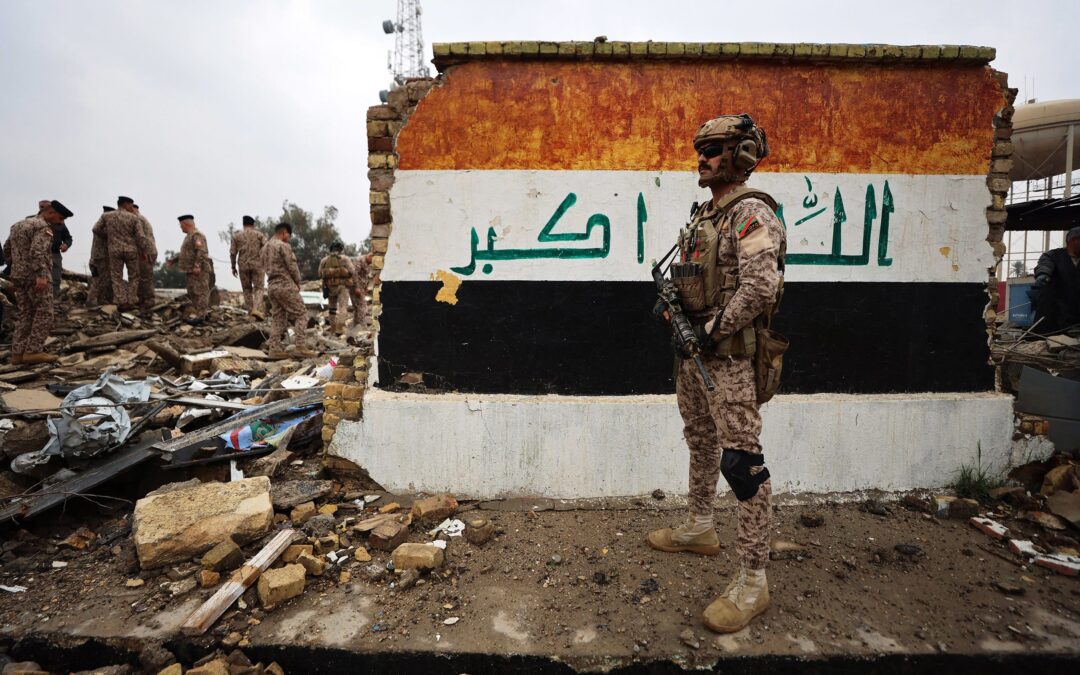
When we think of geopolitical shocks in the Middle East, Southeast Asia usually feels like a safe haven. However, the ongoing conflict involving Iran has proven that in 2026, no market exists in a vacuum. For expats and investors eyeing the sandy shores of Pattaya, the war isn’t just news tickers—it is fundamentally altering the math of real estate investment.
While Thailand remains geographically distant from the conflict, the economic “shock waves” have arrived violently on its shores, creating a landscape of high risk but potentially high reward for the savvy buyer.
The Economic Squeeze on ASEAN
The most immediate effect of the Iran conflict has been the disruption in the Strait of Hormuz, sending energy prices soaring. For Southeast Asian economies, which generally have low oil reserves, this has been brutal. Thailand, in particular, has been hit hard; the market capitalization of ASEAN companies has shrunk by nearly $217 billion, with Thailand alone losing $48.9 billion .
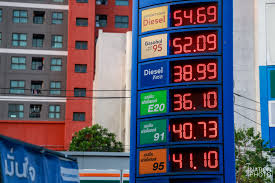
The Asian Development Bank (ADB) warns that if disruptions last over a year, growth in developing Asia could be slashed by 1.3 percentage points . For a tourism-dependent nation like Thailand, this translates to a perfect storm of inflation and reduced consumer spending.
Pattaya’s Double-Edged Sword
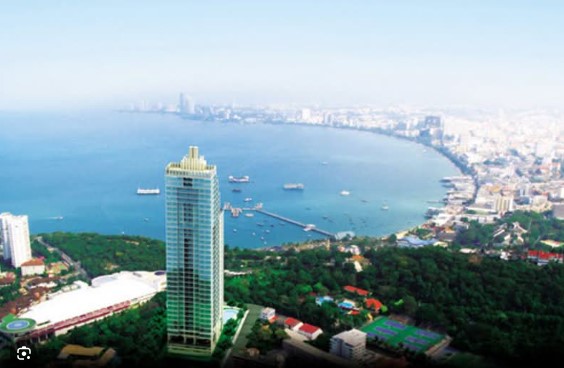
Pattaya’s economy relies on two pillars: tourism and construction. Both are currently under pressure, but for different reasons.
1. Construction Costs Are Skyrocketing
If you are looking at off-plan properties (new developments), be prepared for sticker shock. The surge in oil prices has directly increased the cost of bitumen (asphalt), steel, and cement. More critically, transportation of materials has become exorbitant. Developers launching projects in 2026, such as Grand Solaire or Skypark Lucean Jomtien, are facing thinner margins . Ultimately, these higher construction costs will be passed down to the buyer. New launches in Q2 and Q3 of 2026 are likely to be priced significantly higher than similar units sold in late 2025 .
2. The Flight (and Frustration) Factor
Thailand’s safety advantage is usually its distance from war zones. However, in 2026, that distance is working against it. Because Middle Eastern airspace is a conflict zone, flights from Europe and the US are being rerouted. Travel times are increasing by 4–8 hours, and jet fuel prices have forced airlines to raise fares .
For potential buyers from Russia, Europe, or the US, accessibility is becoming a barrier. When it costs significantly more time and money to visit Pattaya for a site inspection, some investors shift their capital to closer havens like Turkey . This temporary drop in foot traffic can soften demand in the short term.
Tourism Dip = Rental Dip?
The Thai government estimates that foreign tourist arrivals could fall by as much as 25% if the Middle East situation drags on . For Pattaya condo investors reliant on short-term holiday rentals (Airbnb), this is a red flag. Lower tourist arrivals generally lead to lower occupancy rates and downward pressure on nightly rates.
Is it a Good Time to Buy?
So, with construction costs up and tourism down, should you buy? The answer depends on your strategy.
The “Wait and See” Trap: If you wait for the war to end, you will likely face a market where the “cheap” resale units have been snapped up, and new launches are at all-time high prices.
The “Crisis Opportunity” Strategy: History shows that geopolitical crises create the best buying opportunities in Thailand. Currently, resale condos offer a distinct advantage. While new builds are getting expensive due to high material costs, owners of existing units in Wong Amat or Pratumnak bought their units when land and steel were cheap. They can price their units lower than new developments while still making a profit .

The Verdict
Yes, but only for specific assets.
If you are looking to buy a brand-new unit from a developer right now, you are buying at the peak of construction inflation.
However, now is an excellent time to buy in the secondary market in Pattaya. Look for motivated sellers—perhaps a Russian or European investor who is facing liquidity issues due to the high cost of living or travel restrictions. Current median prices for apartments in Pattaya hover around ฿8,256 per sq ft, but motivated sellers may negotiate to secure a sale in a volatile market .
The Golden Rule for 2026:
Avoid the short-term rental gamble for the next six months. Instead, focus on securing a high-quality resale unit in a prime location (Jomtien or Wong Amat) with a view to holding it long-term. When the straits reopen and tourism rebounds—and it will—the value of that asset will correct sharply upwards. In times of war, cash is king; but in the aftermath, land is forever.