
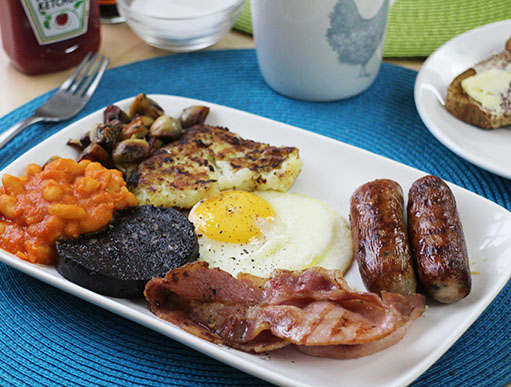
Those of us long term expats will remember the first attempts of the well meaning restaurant owners to cater for Expat palates.
Twenty-five years ago, a British expat in Thailand searching for a taste of home faced a dispiriting reality. The fish and chips, if you could find them, were often made with local catfish and a batter that bore little resemblance to the crispy golden coating of a proper British chippy. The lasagna, when it appeared on a menu at all, was a distant cousin of anything Italian. And a full English breakfast? That was the stuff of fantasy for most, a greasy mirage that materialised only in the most die-hard expat enclaves of Pattaya or Bangkok.
The landscape today is almost unrecognizable. Thailand’s Western food scene has undergone a remarkable transformation, driven by a convergence of demographic change, culinary ambition, and a supply chain infrastructure that now rivals anything in Southeast Asia. Restaurants catering to expats and tourists no longer have to choose between authenticity and availability. And crucially, they no longer have to rely on the grey market or infrequent shipments from abroad to stock their kitchens.
The Bad Old Days
To understand how far things have come, it helps to remember how limited the options once were. In the late 1990s and early 2000s, Western food in Thailand was largely confined to a few categories: American fast food, hotel restaurants catering to business travelers, and a scattering of expat-owned establishments that did their best with whatever ingredients they could source locally or smuggle in through connections.
The full English breakfast was a particularly fraught proposition. Sausages were the biggest problem. Thai pork sausages, while delicious in their own right, are nothing like a Cumberland or Lincolnshire. They are typically sweeter, denser, and seasoned with soy and garlic rather than sage and pepper. Bacon, too, was a challenge. What passed for “bacon” in many Thai markets was closer to thinly sliced pork belly, lacking the cure and smoke that define the real thing. Baked beans, black pudding, and proper back bacon were luxuries, not staples.
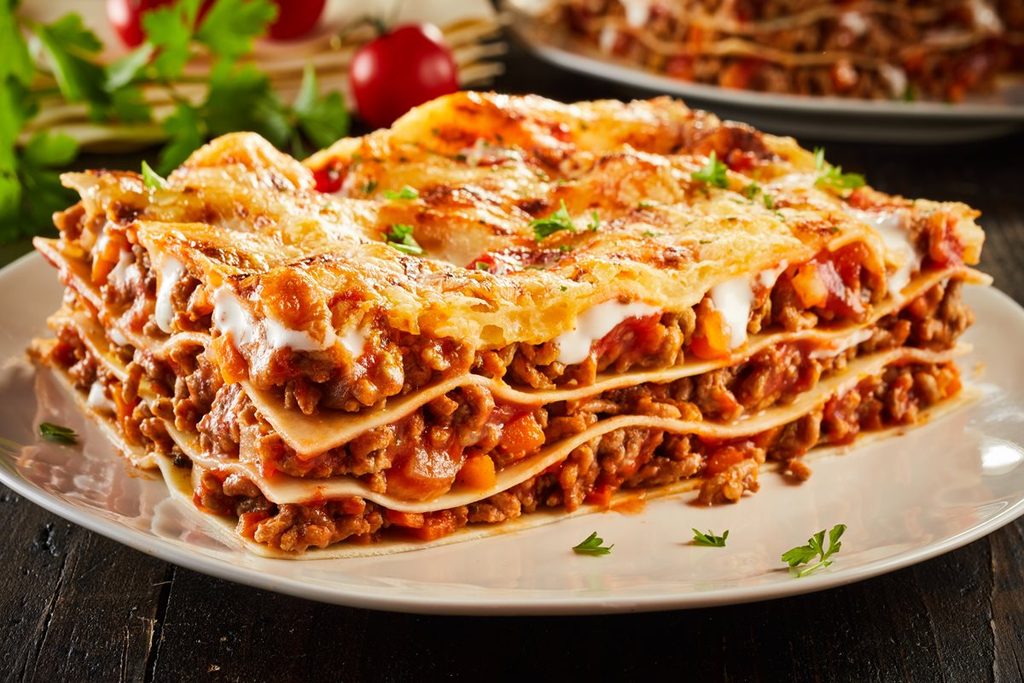
Italian food fared somewhat better, thanks in part to the early establishment of pizza chains catering to American GIs during the Vietnam War era. But even by the 1990s, “Italian” in Thailand often meant Thai-Italian fusion—pizza topped with tom yam kung, pasta served with ketchup, and lasagna that owed more to local palates than to Bologna. For the expat craving a genuine taste of home, the options were scarce.
The Transformation
Fast forward to the present, and the situation could hardly be more different. Fish and chips have become a phenomenon in their own right. Bangkok alone is said to have over a thousand outlets selling them, with Pattaya hosting more than two hundred. The average price sits around 270 baht—remarkably affordable for what is, when done properly, a dish that demands imported cod or haddock, quality potatoes, and a skilled hand at the fryer.
Specialist chippies have emerged as destinations in their own right. Sharples, a Bolton-born operation in Pattaya, has expanded from its original Tree Town location to multiple branches and is offering franchises nationwide. These establishments don’t cut corners. They use imported cod and haddock, hand-cut chips, and a secret batter recipe designed to stay crispy. Some even offer mushy peas and Sarson’s vinegar, those small details that signal authenticity to a British palate.
Why This Matters for Restaurant Owners
For restaurant owners catering to expat and tourist clientele, this evolution represents both an opportunity and a challenge. The opportunity is obvious: demand for authentic Western food has never been higher, and the infrastructure now exists to meet it. The challenge lies in sourcing. A restaurant cannot simply walk into a local market and expect to find proper Cumberland sausages or dry-cured back bacon. The quality gap between what is locally available and what expat customers expect is precisely the gap that specialist suppliers now fill.

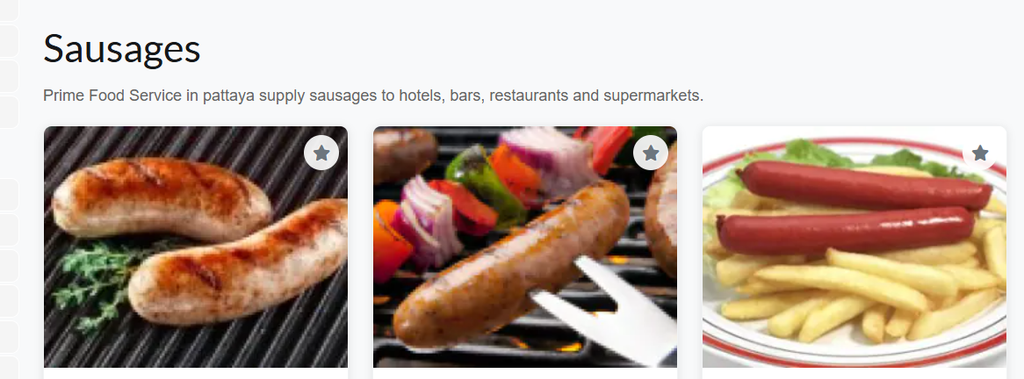
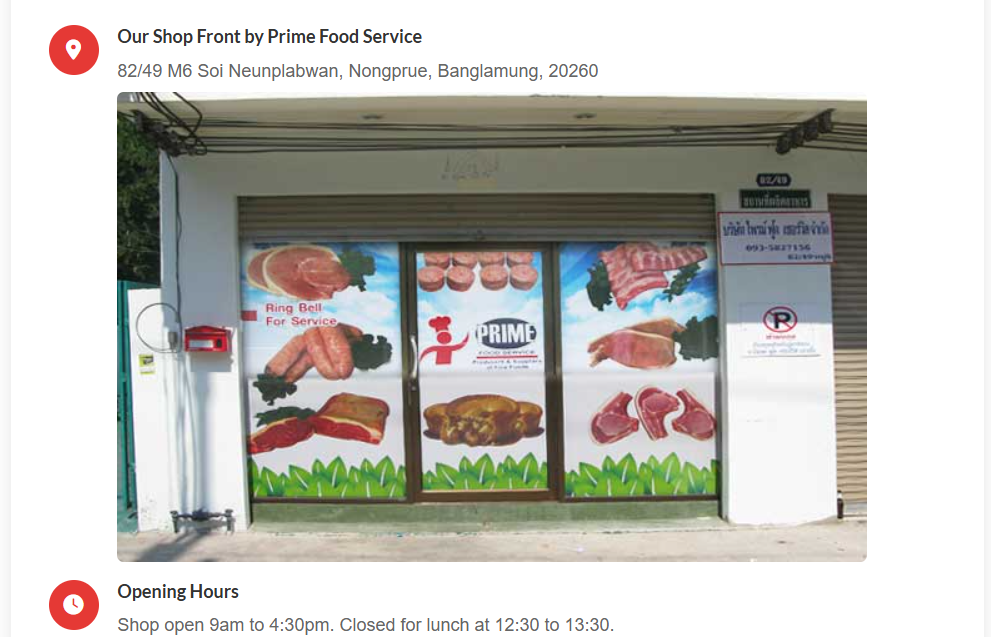
This is where Prime Food Service comes in. Based in Pattaya with nationwide delivery, Prime Food Service has built its business around supplying hotels, bars, restaurants, and supermarkets with meat and fine foods produced to international standards. Their facility is FDA and GMP approved, with full traceability from farm to plate.
For restaurant owners, the practical advantages are significant. Prime Food produces sausages, bacon, ham, gammon, steak, chops, burgers, and pies—the foundational items of any expat-oriented menu—without preservatives or additives in their sausages. They offer both wholesale and retail channels, with delivery to Pattaya six days a week and nationwide service available.
Consider what this means for a restaurant owner in, say, Udon Thani or Chiang Mai. Twenty-five years ago, serving a proper full English breakfast would have required either making everything from scratch with inadequate local ingredients or arranging unreliable imports. Today, a single order from Prime Food can stock the kitchen with sausages, bacon, and pies that meet the expectations of even the most particular British expat. The company’s customer testimonials tell the story: one restaurant owner describes their beef Cumberland sausage and back bacon as “the best that I have found in 15 years of living here in Thailand”.
The Broader Culinary Landscape
The transformation extends beyond British food. Spanish cuisine has experienced its own boom, with over sixty Spanish establishments now operating in Thailand and Bangkok emerging as a major hub for Spanish gastronomy in Asia. Spanish chefs describe a similar arc: twenty-four years ago, Western food in Thailand meant “burgers and fried chicken, more Yankee style,” but the scene has “been getting more sophisticated”.
Italian food, too, has matured. What began as Thai-Italian fusion—pizza with holy basil and chilly, pasta with ketchup—has evolved into a more serious proposition, with authentic Italian restaurants now commonplace in major cities. The demand for imported Italian ingredients has grown to the point where occasional shortages were once a feature of the market.
This diversification matters because it reflects a broader truth: the expat and tourist demographic in Thailand is no longer monolithic. It includes not just Brits seeking fish and chips, but Americans wanting proper barbecue, Europeans craving continental cuisine, and Australians looking for a decent flat white. The supply chain has evolved to meet this diversity, with specialist importers and producers serving every niche.
The Quality Imperative
What unites these developments is a shift from availability to quality. In the early days, the primary question was whether you could find a Western ingredient at all. Today, the question is whether it meets the standards that expats have come to expect. This is not snobbery; it is simply the natural evolution of a market that has matured.
For restaurant owners, this means that sourcing is no longer just a logistical exercise. It is a statement about what kind of establishment you want to run. Those who cut corners on ingredients—using local sausages that don’t taste right, or bacon that hasn’t been properly cured—will find that expat customers notice. The Facebook food groups dedicated to finding the best fish and chips in Thailand are not just a marketing tool; they are a quality control mechanism.
Prime Food Service’s positioning reflects this reality. Their motto, “quality in, quality out every time,” is not just a slogan but a business philosophy that aligns with what the market now demands. Their 220+ product varieties, their European-imported processing equipment, and their certifications are all part of a promise that restaurant owners can make to their customers: this will taste like home.
Looking Forward
The trajectory seems clear. Thailand’s expat food scene will continue to diversify and mature. The days when a restaurant could serve a mediocre lasagna or a sad approximation of fish and chips and expect expat customers to be grateful for the effort are over. The competition is too fierce, the supply chain too sophisticated, and the customers too well-informed.
For restaurant owners, the lesson is straightforward. The tools are there. Suppliers like Prime Food Service have done the hard work of building the infrastructure. What remains is the willingness to invest in quality—to recognise that expat customers are not just looking for calories, but for connection, for memory, for the taste of home. Twenty-five years ago, that was a difficult proposition. Today, it is simply a matter of making the call.