
Thailand has long been one of the most popular destinations in the world for expats, retirees and remote workers. With its warm climate, vibrant culture, modern infrastructure and relatively low cost of living, many people dream of relocating here.
But one of the most common questions people ask before making the move is simple:
How much money do you actually need to live comfortably in Thailand?
The answer depends largely on your lifestyle, where you choose to live and whether you are relocating alone, as a couple or with a family. Living costs can vary dramatically, in cities such as Bangkok, there is huge availability of accommodation and prices are usually competitive. But with more exclusive destinations, there is more of a supply and demand balance, for example property on Koh Samui can vary greatly on price based on the popularity of the area and availability of accommodation there. More affordable northern hubs such as Chiang Mai, are usually more consistent and closer to standard ‘Thai prices’.

This guide explores the real costs of living in Thailand, covering everything from property and accommodation to food, healthcare, education and visas, to help you understand what kind of budget you may need if you are considering relocating.
Property Costs in Thailand: Renting vs Buying
Accommodation will almost always be your largest expense when living in Thailand, and costs can vary significantly depending on location.
Major cities and popular tourist destinations tend to have higher prices, while smaller cities and rural areas remain considerably more affordable.
Below are some useful benchmarks for property costs in popular expat areas.
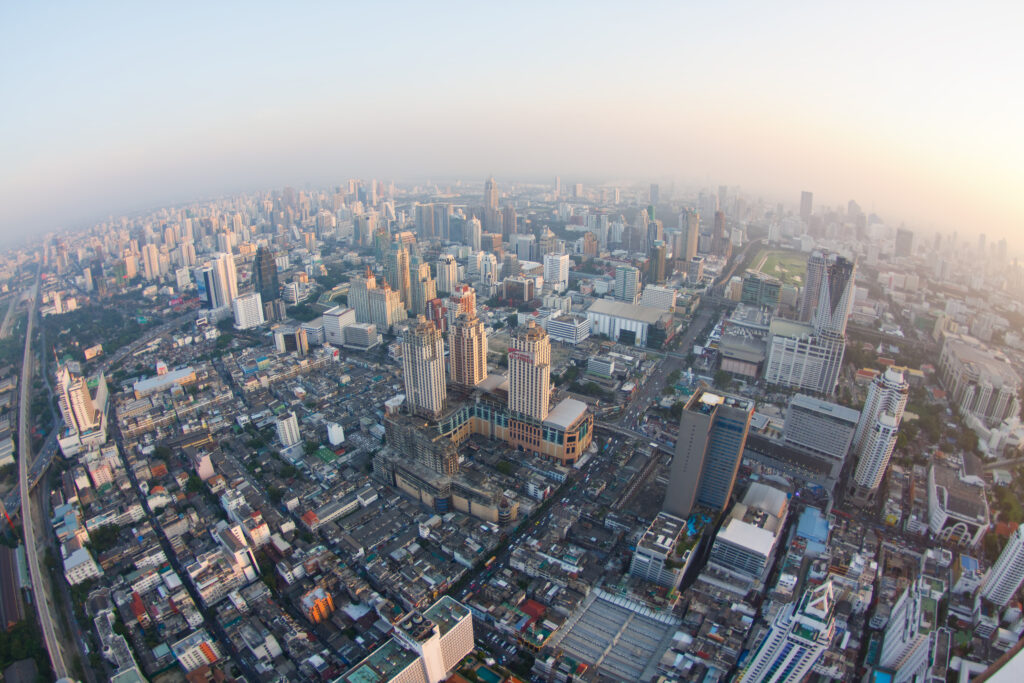
Bangkok
As Thailand’s capital city, Bangkok offers the widest range of property options, from luxury high-rise condominiums to more modest apartments in residential neighbourhoods.
A modern one-bedroom condominium in central Bangkok may cost:
• £600 – £1,500 per month to rent
• £120,000 – £350,000+ to buy
Properties further away from the city centre can be significantly cheaper.
Bangkok appeals particularly to professionals who want access to international schools, hospitals and business opportunities
Koh Samui
Koh Samui is one of Thailand’s most desirable island destinations, popular with both investors and lifestyle buyers.
Because of its popularity, property prices can be higher than in many other parts of Thailand.
Typical rental costs include:
• £800 – £2,000+ per month for a modern villa or apartment
For those looking to purchase property, prices vary depending on location and views. Sea-view villas can range from £200,000 to over £1 million.
While Koh Samui may be more expensive than some areas of Thailand, many expats feel the island lifestyle and natural beauty justify the cost.
Chiang Mai
In contrast, Chiang Mai remains one of the most affordable cities for expats.
Located in northern Thailand and surrounded by mountains and countryside, the city offers a relaxed atmosphere and a strong digital nomad community.
Typical rental prices include:
• £250 – £600 per month for a modern apartment
• £500 – £900 for a house or small villa
Property prices are also considerably lower than in Bangkok or the islands.
Pattaya
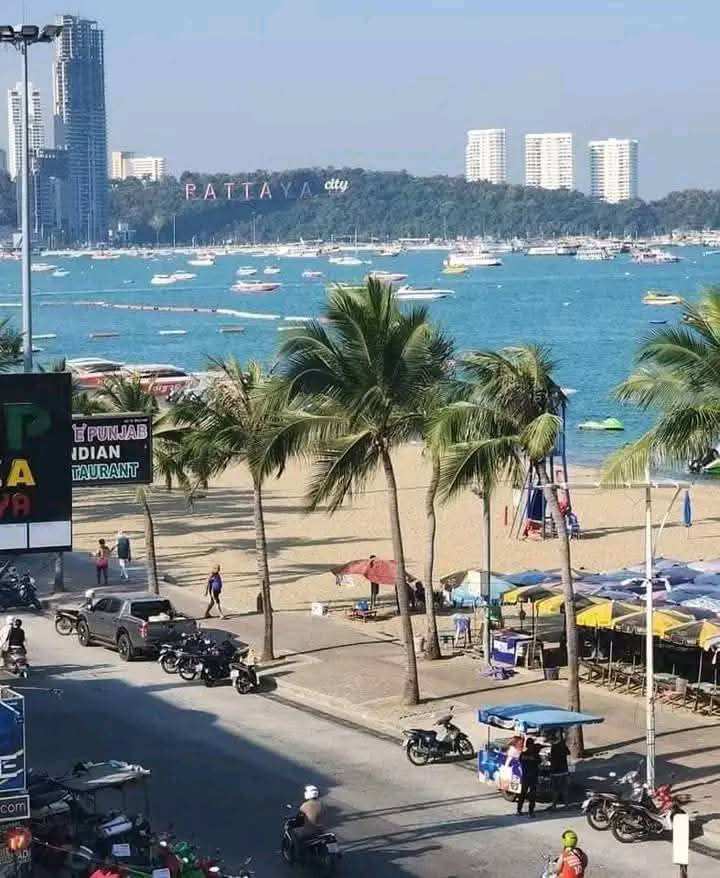
Although not always the first choice for every expat, Pattaya is known as one of the more affordable coastal cities in Thailand.
Its large property market means buyers and renters can find relatively good value accommodation, especially compared with Phuket or Koh Samui.
General Living Costs in Thailand
Once accommodation is covered, daily living costs in Thailand are often surprisingly manageable.
Many expats find they can enjoy a comfortable lifestyle for significantly less than they would spend in Europe or North America.
Typical monthly expenses may include:
• Utilities (electricity, water, internet)
• Transport
• Groceries and dining
• Leisure activities.
Utilities are usually modest unless you run air conditioning heavily throughout the day.
Electricity bills may range from £40 to £150 per month, depending on usage.
Internet connections are fast and inexpensive, often costing £15 to £30 per month for fibre broadband.
Western Food and Groceries
One of the biggest surprises for newcomers is how widely available Western food and international groceries are in Thailand.
Major supermarket chains such as Villa Market, Tops and Gourmet Market stock imported products from Europe, Australia and the United States.
In cities like Bangkok and Chiang Mai you can easily find:
• imported cheeses
• wine and craft beer
• international ingredients
• specialty bakeries.
However, imported products are naturally more expensive than local food.
For example:
• Local Thai meal: £1.50 – £4
• Western restaurant meal: £8 – £20
• Imported groceries: often 2–3 times local prices.
Many expats balance their budgets by enjoying local Thai food regularly while occasionally indulging in Western dining. You can get expat groceries delivered to your door with services such as Prime Food Service and Britishop.
Healthcare Costs in Thailand
Thailand has an excellent reputation for high-quality private healthcare, particularly in cities such as Bangkok.
Hospitals such as Bumrungrad International Hospital and Bangkok Hospital attract patients from around the world.
Private healthcare costs in Thailand are generally much lower than in Western countries.
Typical costs include:
• GP consultation: £15 – £40
• Specialist consultation: £40 – £80
• Health insurance: £800 – £3,000 per year depending on age and coverage.
Many expats choose to purchase private health insurance, although some prefer to pay for treatment directly if they are relatively young and healthy.
International Schools for Families
For families relocating to Thailand, international schooling is often one of the largest expenses.
Thailand offers many excellent international schools, particularly in Bangkok and major expat areas.
Annual school fees typically range from:
• £8,000 – £25,000 per child per year
The most prestigious schools can cost even more.
Popular international curricula include:
• British curriculum
• International Baccalaureate (IB)
• American curriculum.
Cities such as Bangkok, Chiang Mai and Koh Samui all offer international schooling options, although Bangkok has the largest selection.

Visa Costs and Renewals
Living long-term in Thailand requires the appropriate visa.
Common options include:
• Retirement visas
• Work visas
• Business visas
• DTV
• Long-term resident visas.
Visa costs themselves are usually modest, but maintaining a visa may involve additional expenses such as:
• immigration extensions
• legal services
• visa runs in some cases.
Many retirees must also meet financial requirements such as maintaining a minimum amount in a Thai bank account or demonstrating a monthly income.
Transport and Getting Around
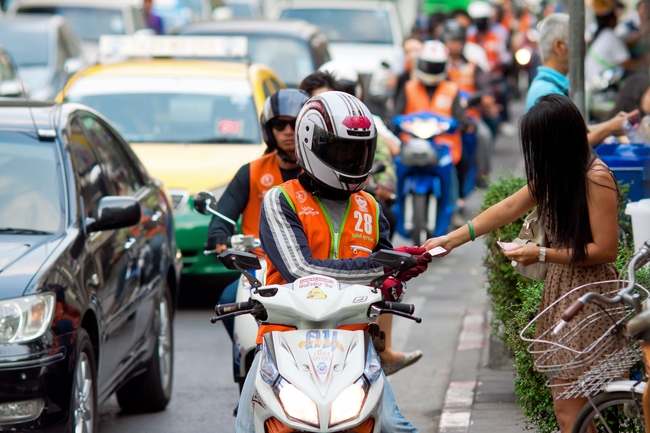
Transport costs in Thailand are generally low.
In Bangkok, the BTS Skytrain and MRT metro systems provide efficient public transport.
Typical transport costs include:
• BTS/MRT journeys: £1 – £2
• Taxi journeys: £2 – £10 depending on distance
• Fuel for motorbikes and cars: relatively inexpensive.
Many expats living outside Bangkok choose to own a car or motorbike, particularly in places like Koh Samui or Chiang Mai where public transport is limited.
Example Monthly Budgets
While costs vary widely depending on lifestyle, the following examples illustrate typical monthly budgets.
Single Expat
A single person living comfortably might spend:
• £900 – £1,500 per month in Chiang Mai
• £1,200 – £2,000 in Bangkok
• £1,500 – £2,500 on Koh Samui.
Couple
Couples often share housing costs and may live comfortably on:
• £1,500 – £2,500 in Chiang Mai
• £2,000 – £3,500 in Bangkok
• £2,500 – £4,000 in Koh Samui.
Family with Children
Families with international school fees may need significantly more:
• £4,000 – £8,000+ per month depending on schooling and lifestyle.
The Lifestyle Factor
One reason Thailand remains so popular with expats is the quality of life it offers relative to cost.
Even with a moderate budget, many people enjoy:
• warm weather year-round
• excellent food
• friendly communities
• modern infrastructure
• beautiful beaches and mountains.
For many expats, Thailand provides a lifestyle that would be far more expensive in their home countries.

Final Thoughts
So, how much money do you need to live comfortably in Thailand?
For many people, a budget of £1,200 to £2,000 per month can provide a comfortable lifestyle as a single expat in many parts of the country. If you have bought your own property, this will go much further. But even with renting, the lower end of this budget can cover western groceries, running a car or motorbike and social activities. It doesn’t include a high end western social life, but eating out in nice Thai style restaurants and visiting local attractions is all achievable.
Couples may live comfortably on £2,000 to £3,500 per month, while families with children attending international schools should plan for significantly higher expenses.
Ultimately, Thailand offers a wide range of living options, from affordable northern cities like Chiang Mai to vibrant urban living in Bangkok or tropical island life in Koh Samui. There are also other options, closer to local Thai life which include
With careful planning and the right location, moving to Thailand can offer an excellent balance between lifestyle, affordability and opportunity.