
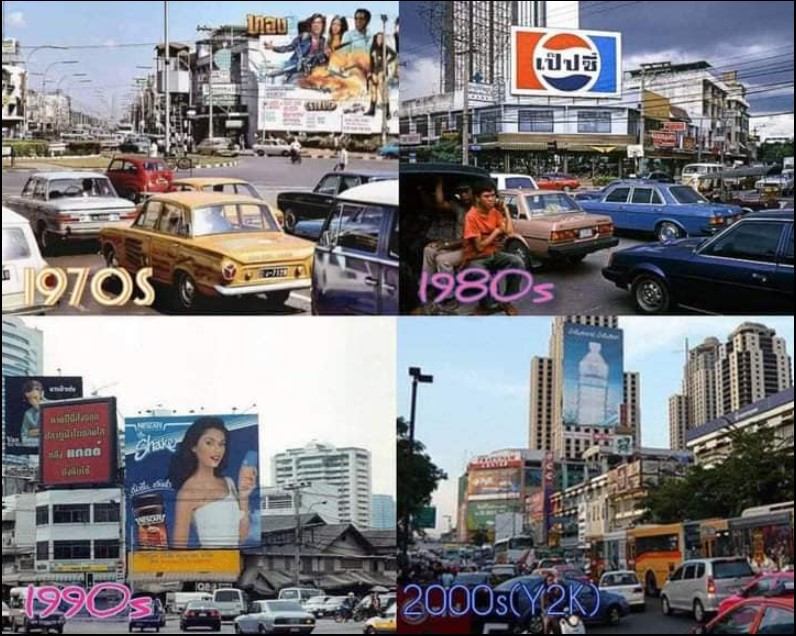
Thirty years ago, moving to Thailand felt like jumping off the edge of the map. In 1996, the “Land of Smiles” was still a mysterious, exotic frontier for Western expats. Today, it is one of the world’s most polished retirement destinations. While the core culture remains wonderfully intact, the daily reality for foreigners living here has shifted from rugged adventure to streamlined convenience.
If you retired in Bangkok or Phuket in the mid-90s, you were a pioneer. If you are moving there today, you are a pragmatist. Here is how three decades have changed the expat landscape.
The Internet: From Shouting to Streaming
In 1996, staying connected was a battle. Most expats relied on dial-up internet through a landline—if they had one. Connecting meant listening to a screeching modem for five minutes, praying the line didn’t drop. A single email with a photo could take half an hour to send. You called home via expensive phone cards at a “telephone booth” or waited for weekly aerogrammes.
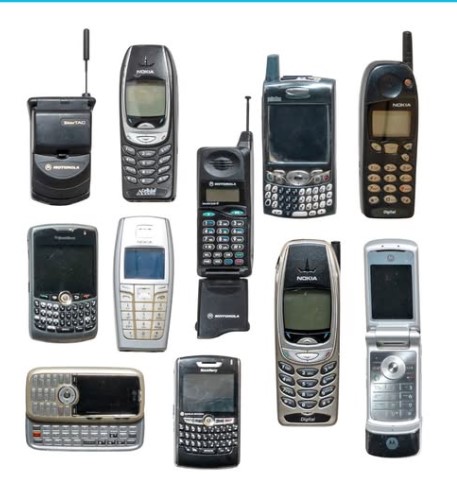
Fast forward to 2026, and Thailand boasts some of the world’s fastest 5G and fiber-optic networks. For less than $15 a month, you have unlimited data. Video calling your grandkids in real-time is free. You can bank online, trade stocks, or run a remote business from a beachfront cafe in Koh Samui. The internet hasn’t just improved life—it has erased the feeling of isolation. For retirees, the ability to manage visas, healthcare, and pensions online removes the bureaucracy that used to require full days queuing at government offices.
Satellite TV & Entertainment: From VHS to 4K
Remember the “video store” run by another expat? In 1996, entertainment was scarce. You had three English channels (often old Australian soaps or CNN International) and a dusty collection of VHS tapes. If you wanted to watch the World Cup or the Super Bowl, you found a bar with a massive satellite dish the size of a small car.
Now, streaming has demolished those barriers. With a smart TV and a VPN, an expat in Isaan has access to the exact same Netflix, YouTube, and Disney+ library as someone in London or Seattle. Dedicated IPTV services offer thousands of channels globally. You don’t need a 10-foot dish anymore; you need a stable router. The cultural isolation of the 90s expat—feeling disconnected from Western news and sports—is completely gone.
The Food Revolution: No More Care Packages
In 1996, food was a logistical nightmare. Outside of Bangkok, finding a jar of Marmite, real cheddar cheese, or a decent bottle of red wine required a pilgrimage to Villa Market in the capital, or a friend flying in from Singapore. Expats survived on “care packages” from home filled with taco seasoning, peanut butter, and deodorant. Many simply learned to love sticky rice and som tam because there was no alternative.
Today, you can live a fully Western diet without ever cooking. Platforms like Lazada and Shopee deliver imported Italian olive oil, Mexican jalapeños, and British bangers to your door in 24 hours. Supermarkets like Tops, Foodland, and Rimping stock entire international aisles. Need gluten-free bread or plant-based burgers? No problem. While local food is still the star, the scarcity mindset of the 90s expat has vanished. You can eat like you are in New York while living in a Chiang Mai villa for a third of the price.
Visas, Banking & Healthcare: From Nightmare to Smooth
In 1996, navigating Thai bureaucracy was a test of patience. Visas required trips to Penang or Singapore for renewals. Banking meant carrying a passbook to a physical branch, waiting an hour to withdraw $200. Healthcare was excellent but cash-only; you paid upfront at private hospitals.
Today, Thailand has specific visa regimes like the Long-Term Resident (LTR) and Elite visas that cater to digital nomads and wealthy retirees. You can open a bank account via an app. As for healthcare, major hospitals like Bumrungrad and Bangkok Hospital offer insurance direct billing, online appointment scheduling, and English-speaking specialists trained in the West. The stress of daily survival has been replaced by the ease of a designed expat ecosystem.
The Social Scene: From Bar Stools to Facebook Groups
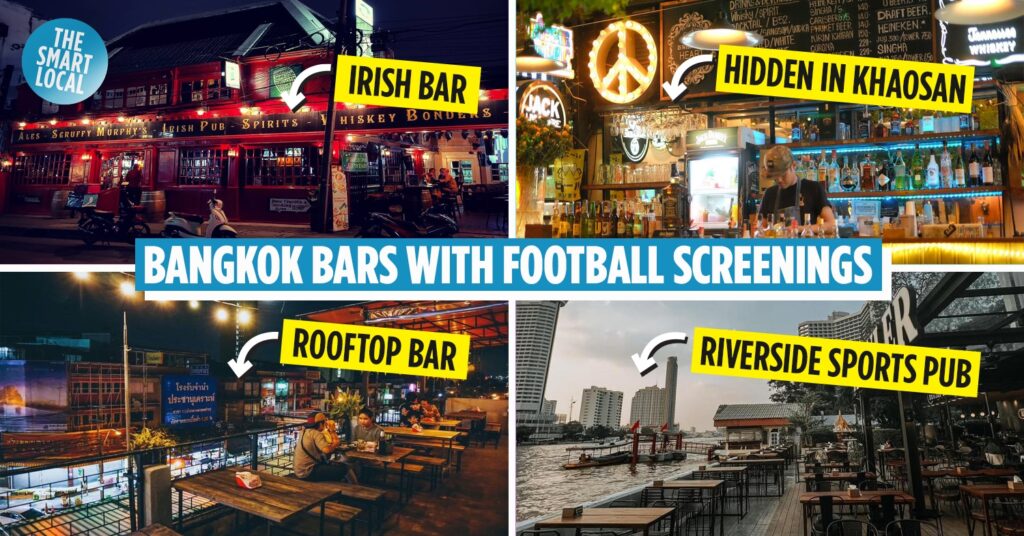
Finally, the expat community itself has changed. In 1996, you made friends by stumbling into the same Irish pub every night because there was no other way to find out who was in town. The social scene revolved around physical bulletin boards and bar stools.
Now, expats connect via Facebook groups like Living in Pattaya, Bangkok Expats Line chats, and Meetup.com. You can find a pickleball game, a book club, or a German-speaking group in ten minutes. While some argue this has reduced spontaneous camaraderie, it has also made it safer and more diverse. Women expats, digital nomads, and LGBTQ+ retirees now have dedicated support networks that simply didn’t exist in 1996.
The Dance stars looked different :

The Verdict
Has Thailand become too easy? Some old-timers lament the loss of the “wild west” feeling. The chaos, the challenge, the triumph of surviving without the internet—those days are gone. But for the vast majority of retirees and modern expats, the changes are a pure win. Thailand has kept its soul—the temples, the smiles, the night markets—while shedding the logistical headaches.
In 1996, living in Thailand was an adventure. In 2026, it’s just a very smart, comfortable, and affordable choice.
Pattaya is the Refined Thai retirement home of choice being just 2 hours from the capital and you can get quality properties for less and retire for a lot less hassle than you did back in the old school era!