Why LinkedIn Newsletters are so much better than the original Email marketing apps
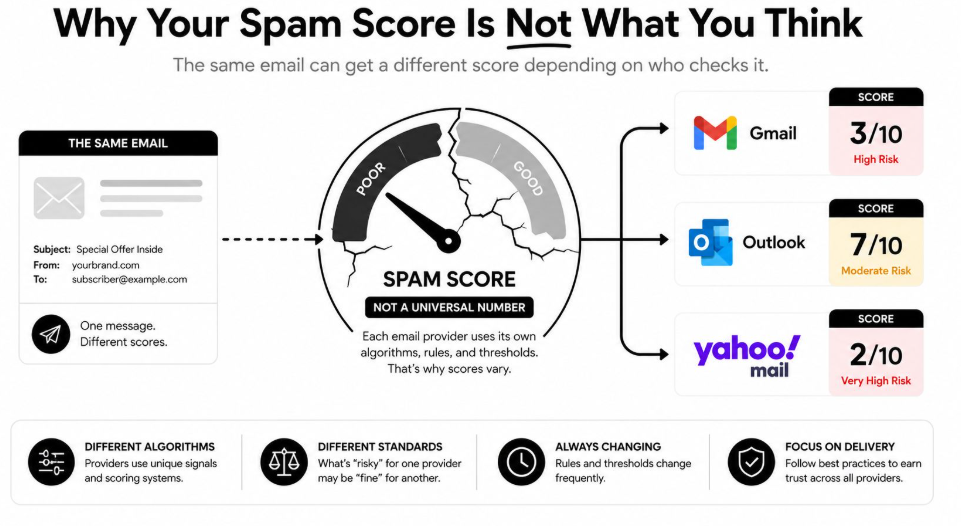
If you’ve ever run email marketing through Mailchimp, AWeber, or GetResponse, you know the drill. Someone changes their email address, and suddenly your bounce rate spikes. A few people decide they don’t want your emails anymore and hit “report spam” — and you’re the one paying the price. Next thing you know, your account is suspended, and you’re writing a heartfelt explanation to a compliance team about exactly how you got every single contact on your list.
And then there’s the double opt-in nightmare. Your new subscriber fills out the form, gets sent to their inbox, can’t find the confirmation email, checks spam, finds it three days later, and by then they’ve completely lost interest. You did everything right, and you still lost the lead.
This isn’t a you problem. It’s a systemic flaw in how traditional email platforms operate. And it’s exactly why LinkedIn Newsletter has become such an attractive alternative for B2B marketers who are tired of fighting the algorithm, the spam filters, and the friction.
The Three Big Problems With Traditional Email Platforms
1. Zero-tolerance bounce and complaint policies.
AWeber will automatically unsubscribe anyone whose email bounces three times within six months. Mailchimp is even harsher — if your complaint rate crosses a certain threshold, your account gets paused, and you have to prove you obtained permission to email every contact on your list. The reality? People change jobs, abandon old inboxes, or simply forget they ever subscribed. But the platform treats you like a spammer, not a marketer who built a legitimate list.
2. The double opt-in conversion killer.
Industry data shows double opt-in completion rates typically land between 50% and 70%. If yours is below 40%, something is broken. That means three to five out of every ten people who actively wanted your content never make it onto your list. They went to their inbox, didn’t see the confirmation, or found it in spam and couldn’t be bothered. You paid to acquire that lead. You lost them to a confirmation link.
3. Your list is dying faster than you think.
According to ZeroBounce’s 2025 data, email lists decay at a rate of at least 23% to 25% per year. People leave jobs, companies shut down, inboxes get abandoned. You’re paying for contacts who will never open another email from you.
Why LinkedIn Newsletter Changes the Game
One-click subscription. Zero friction.
There’s no confirmation email. No “go check your inbox.” No spam folder treasure hunt. LinkedIn notifies your existing connections, and they click “Subscribe” once. Done. One creator reported hitting 1,200 LinkedIn Newsletter subscribers in 90 days — after spending two years building a traditional email list of just 400.
Open rates that traditional email can’t touch.
LinkedIn Newsletters average a 40% to 50% open rate. Mailchimp’s average B2B open rate? Around 21.5%. And while Gmail routinely shoves marketing emails into the Promotions tab, LinkedIn notifications typically land in the primary inbox.
The platform grows your audience for you.
Every time someone follows you or your page, LinkedIn automatically invites them to subscribe. When you publish a new issue, LinkedIn pushes it into your subscribers’ feeds and extends that reach to their second and third-degree connections. That’s organic distribution you’d otherwise have to pay for through ads.
So Should You Abandon Your Email List?
No — but you should rethink how you use it.
Here’s the catch with LinkedIn Newsletter: you cannot export your subscriber email addresses. Those contacts belong to LinkedIn, not to you. That’s a real limitation, and it’s why the smart play isn’t replacement — it’s division of labor.
Use LinkedIn Newsletter for top-of-funnel reach and trust-building. It gets your content in front of the right people with minimal friction, turns strangers into subscribers, and builds authority through consistent value. Then use your traditional email list for bottom-of-funnel conversion and deeper relationship-building. Guide LinkedIn subscribers to your website, offer them a download, collect their email, and build an asset you actually own.
LinkedIn handles breadth and speed. Email handles depth and ownership. They’re not competitors — they’re two pieces of the same marketing engine.
Ready to stop fixing bounce rates and start reaching people who actually want to hear from you?
Subscribe to the Leads4Biz Newsletter for weekly insights on B2B lead generation and content strategy that actually works
.