
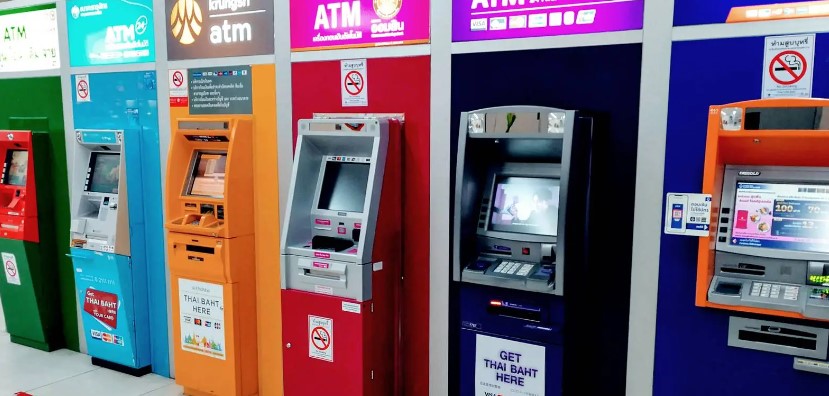
Long term expats dream of the day when we got 90 to the baht but will it ever happen again?
For many long-term expats and repeat tourists, memories of the early 2000s are tinged with financial nostalgia. The era of getting 70, 65, or even 55 Thai Baht (THB) to a US Dollar or British Pound wasn’t just a favourable exchange rate; it was a fundamental economic reality that shaped lifestyles. It meant sprawling apartments, frequent fine dining, effortless travel around the region, and a general sense that a Western pension or income went extraordinarily far. Today, with the THB hovering around 35-36 to the USD and 45-47 to the GBP, the question burns: will the Baht ever weaken back to those heady levels? For the average expat and tourist, understanding the answer requires looking beyond the bureau de change and into the deep structural shifts in Thailand’s economy and the global order.
The Golden Era: A Perfect Storm That’s Passed
To ask if the Baht will return to its early 2000s weakness is to ask if Thailand’s economic context will reverse. That period was a confluence of unique, and largely unrepeatable, factors:
- Post-Asian Financial Crisis Hangover: The 1997 crisis devastated the Thai economy and shattered confidence in the Baht, which had been pegged. In its aftermath, the currency was weak, and the economy was in recovery mode, making exports cheap and the country a bargain.
Sathorn Unique high rise building was a victim of the crises:

- Developmental Stage: Thailand was firmly a middle-income, export-led economy with lower wages. It was an attractive destination for manufacturing, and its tourism sector, while popular, was not yet the colossal, high-spend industry it is today.
- Western Economic Hegemony: The Dot-com boom and pre-2008 financial crisis strength of the USD and GBP made Western currencies kings globally.
These conditions have irrevocably changed. Thailand today is an upper-middle-income country with a rapidly aging population. Its economic engine has matured.
The New Reality: A Stronger, Structural Baht
The current strength of the Baht is not a temporary blip but rooted in enduring pillars:
- Persistent Current Account Surpluses: Thailand consistently exports more than it imports (goods, services, and tourism count as exports). This creates a constant underlying demand for Baht to pay for Thai goods and services.
- Tourism as a High-Value Export: Pre-pandemic, Thailand welcomed nearly 40 million visitors. While mass tourism remains, the strategy has shifted towards higher-spending segments, generating more foreign currency per arrival.
- Safe Haven Status in ASEAN: Amid regional volatility, Thailand’s political stability (despite its coups) and deep financial markets make the Baht a relative safe haven for regional investors, especially compared to neighbours.
- Foreign Reserves: The Bank of Thailand holds massive foreign exchange reserves, giving it immense firepower to manage the currency’s value and prevent excessive weakness.
What to Watch: Political and Economic Legislation
For expats and tourists, watching exchange rates means monitoring these key factors:
- Bank of Thailand (BOT) Monetary Policy: The BOT’s interest rate decisions are paramount. If they hold or raise rates while the US Federal Reserve or Bank of England cuts, the Baht could strengthen further. Watch their statements for concerns about “financial stability” (code for preventing households from taking on too much debt), which often trumps desires for a weaker export currency.
- Government Fiscal Stimulus: Large, deficit-funded stimulus packages (like digital wallet schemes) could stoke inflation and potentially weaken the Baht if they lead to imports ballooning. However, they could also spur growth and attract investment, having a complex effect.
- Tourism Policy & Arrival Numbers: Policies that successfully attract high-quality, long-stay tourism (e.g., visa exemptions, retirement visas) support the Baht. A sustained recovery in Chinese arrivals is a crucial metric.
- Global Risk Sentiment: In times of global panic (like COVID or a banking crisis), the Baht often initially weakens but then recovers strongly as regional capital flows back to its “safe” markets.
- Trade Agreements: New FTAs or regional supply chain shifts (like “China+1”) that bring more foreign direct investment (FDI) into Thailand create long-term Baht demand.
The Thought Experiment: A 50% Weaker Baht
While a return to 50+ THB to the USD is highly unlikely, it’s a fascinating thought experiment. If the Baht did weaken dramatically by 50% from today’s rates (e.g., to ~53 THB/USD), the social and economic changes in Thailand would be seismic.
For Expats & Tourists: The immediate effect would be a surge in purchasing power. Rents, school fees, meals, and travel would become, in foreign currency terms, incredibly cheap. A new gold rush of digital nomads, retirees, and budget tourists would flood in, likely overwhelming infrastructure in places like Bangkok, Chiang Mai, and the islands. The cost of imported goods (cars, electronics, cheese, wine) would skyrocket in Baht terms, hurting middle-class Thais and expats living on local salaries.
For Thai Society:
- Export Boom, Import Pain: Exporters would rejoice, but the cost of living would soar. Thailand is dependent on energy imports (oil, gas) and many raw materials. Fuel, fertilizer, and food prices would spike, hitting the poor hardest and potentially causing serious social unrest.
- Inflationary Spiral: The pass-through of expensive imports would trigger high inflation, forcing the BOT to raise interest rates dramatically, crippling mortgages and business loans.
- Debt Crisis: Many Thai individuals and businesses have foreign currency debt. A plummeting Baht would make this debt exponentially more expensive to service, leading to widespread defaults.
- Tourism Double-Edged Sword: While cheaper, the influx could degrade the tourist experience, exacerbate cultural tensions, and push the industry further towards unsustainable, low-margin mass tourism. The “quality over quantity” strategy would be obliterated.
- Political Instability: Such economic dislocation—soaring costs for the masses alongside windfalls for exporters—would create a deeply divisive and volatile political climate. Protests and government instability would be almost guaranteed.
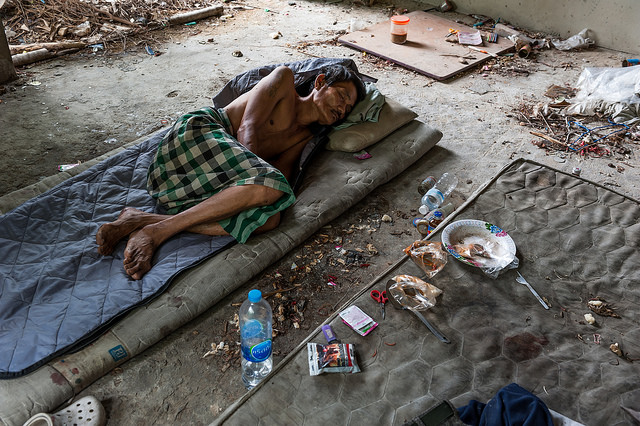
Conclusion: Manage Expectations, Not Just Money
The dream of the early 2000s exchange rate is just that—a dream, anchored in a bygone economic era. Thailand is no longer a “cheap” developing economy but a complex, maturing one with a structurally strong currency. Expats and long-term visitors should base their financial planning on the current reality of a THB that is likely to remain resilient, with fluctuations happening within a stronger band. Health and Life insurance should be an obvious consideration
Instead of waiting for a mythical return, focus on smart financial strategies: transferring funds during periods of relative Baht weakness (often during global risk-on sentiment), diversifying income sources, and understanding that Thailand’s value proposition has evolved from sheer cheapness to a blend of lifestyle, culture, infrastructure, and relative value.
The Baht’s story is now a story of Thailand’s development. A sudden, drastic weakening would signal not a return to a golden age, but a profound economic crisis with severe social consequences. For those who call Thailand home, a stable, strong Baht, while making life more expensive in foreign currency terms, is ultimately the foundation of the stability and modern comforts that make the country a lasting home, not just a bargain getaway. The key is to adapt, as Thailand itself has done.